Out Sourced vs In-Office Aligners

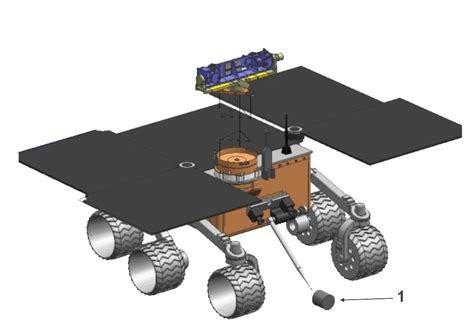
Most clinician that delivers digital orthodontics uses a third party laboratory, such as Invisalign®, Clear Correct and so on, to help design and then manufacture the aligners. Cases are done remotely and there is a lag in the response time. Its like driving the MARS rover. So when Mar and Earth are the closest together its takes 3 mins to send a signal each way – a total lag time of 6 minutes !!. When we are the furthest apart that lag time is 44 minutes. Well the total lag time for a aligner lab to respond can be anything between 24 hours to 2 weeks.
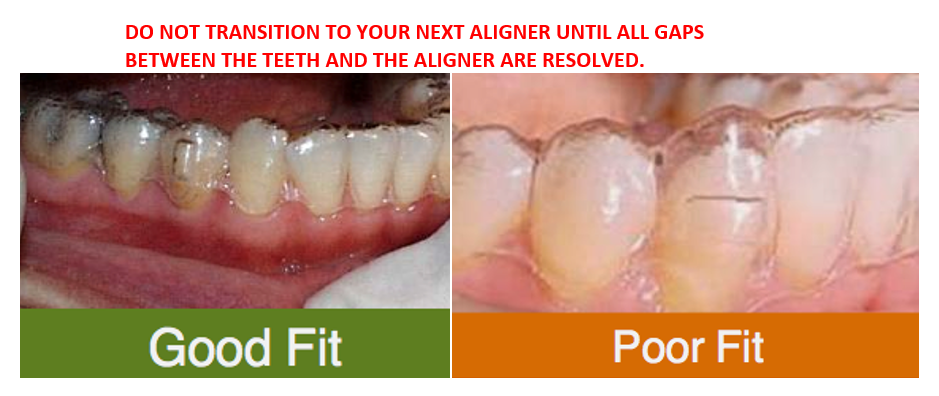
Mid course corrections (*) could involve another round of these communication relay. (*)This is when the case is not “tracking” – i.e. some teeth have not moved as they should have.
CLINICIAN’S in CONTROL
In-office aligners are directly controlled by the trained clinician who can diagnosed, plan, monitor and respond to any challenges directly, quickly and efficiently

Responsiveness equates to efficiency and better case control.
Clinicians with in-office aligner capabilities can, iF NECESSARY, start a case overnight and respond very quickly to mid course corrections.
Dr Michael C C Ho
Patient selection
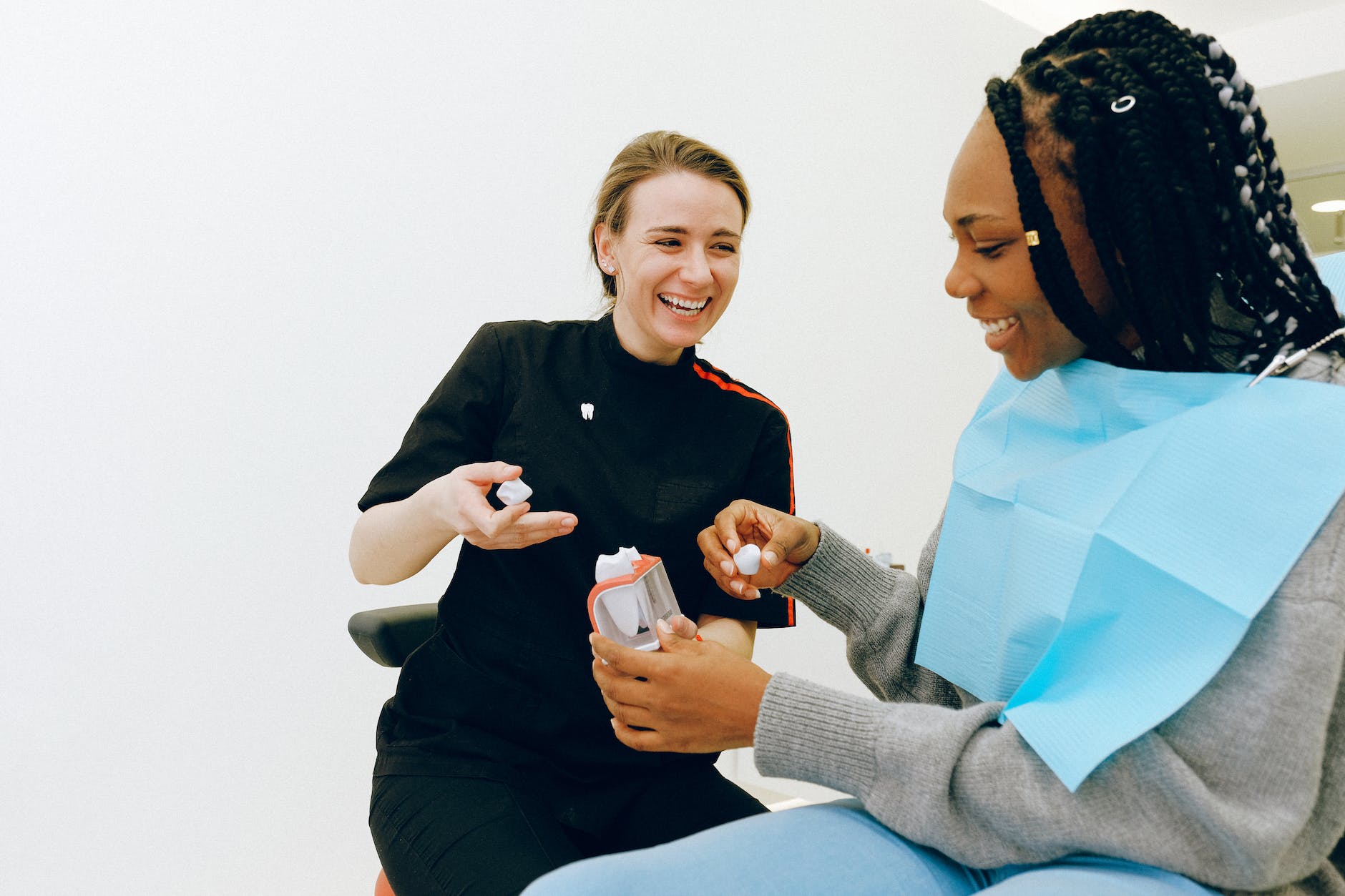
Case management must always start with PATIENT SELECTION. At the most basic level the success of aligners orthodontics treatment require PATIENT COMPLIANCE. Orthodontic treatment of any form, fixed or removable, really does not work well without patient compliance. This is the first thing a clinician must establish.
The emphasis is on assessment of compliance. Non compliant candidates should not be started as it is doomed for certain failure.
The established protocol is a minimum of 22 hours a day application or wear of the aligners – There is some leeway of course. You can bend the rules occasionally for special events such as a public address or presentation, weddings etc.
Case selection
Functionality is the reason that I, as a dentist, prescribe orthodontic treatmen; to give my patient a better occlusion/ bite and to align gtheir teeth for easier maintenance. Cosmetic is the patient’s call. However it should be noted that functionality and cosmetic are not mutually exclusive. Generally functional occlusion that is aligned is cosmetically pleasing. The converse may not be true.
Once the case has started patient, motivation must be maintained and if not the result will be compromised. The key is monitoring and communication. Periodic progress scan and review gives both the patient and the clinician impetus during the course of treatment.
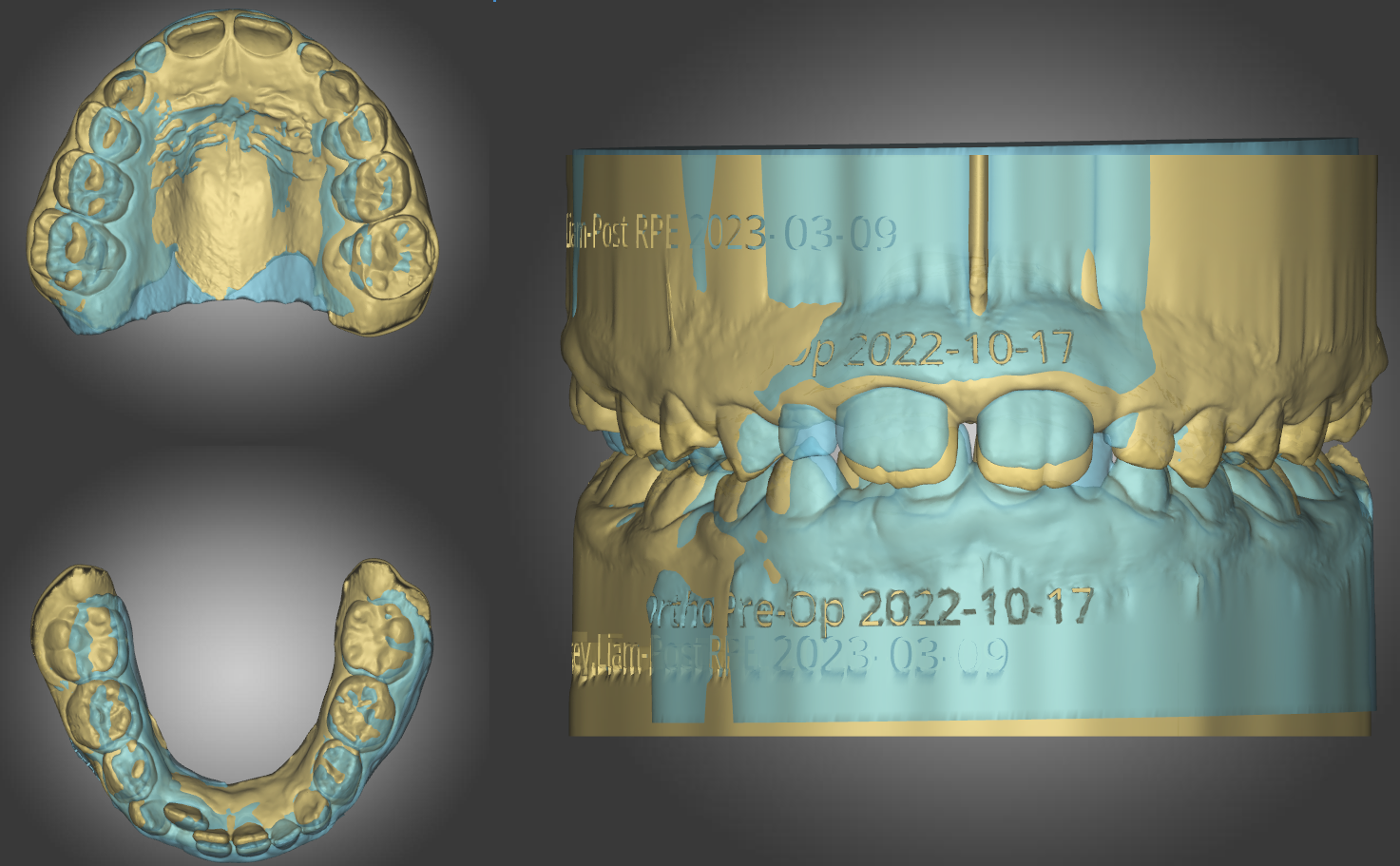
How to provide in-office aligners
In-Office aligner give the clinician the ability to respond to mid course adjustment quickly without having to go to and fro with a third party provider. This equates to better clinical control.
To be able to deliver in house aligners a clinician should have
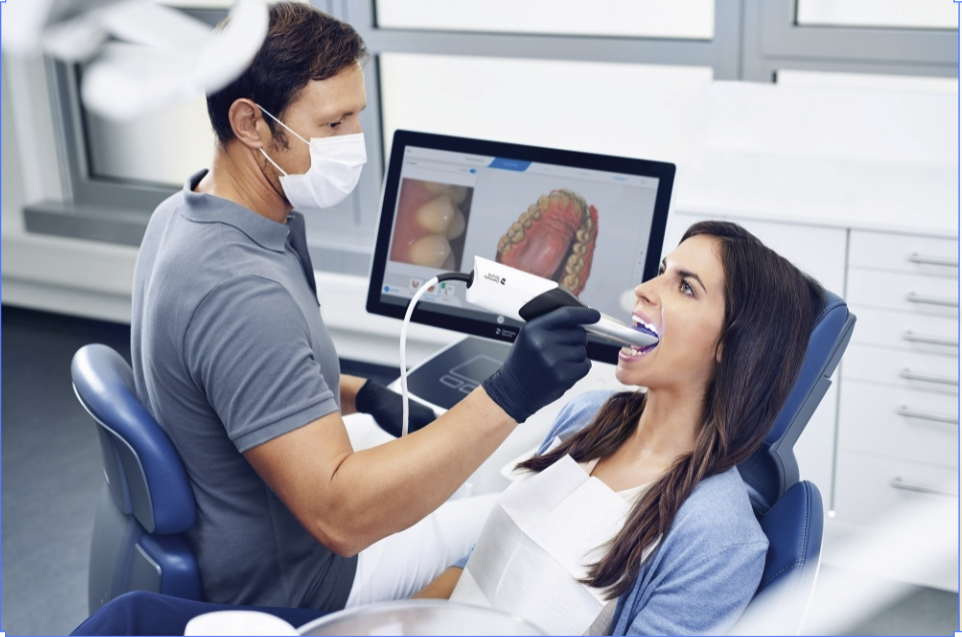
- digital scanner
- orthodontic software to plan movement
- 3D printer
- POSITIVE Pressure THERMOform machine
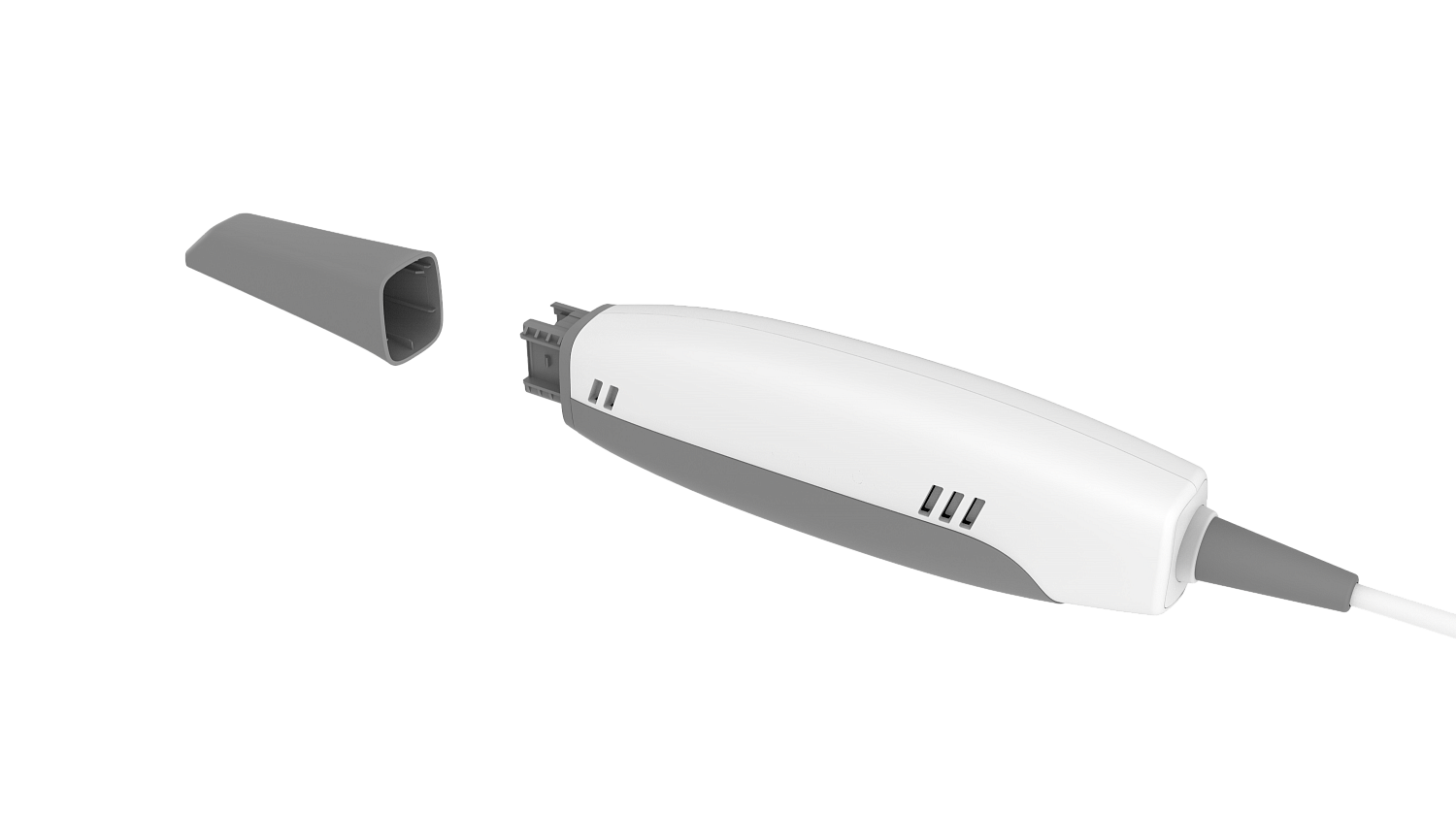
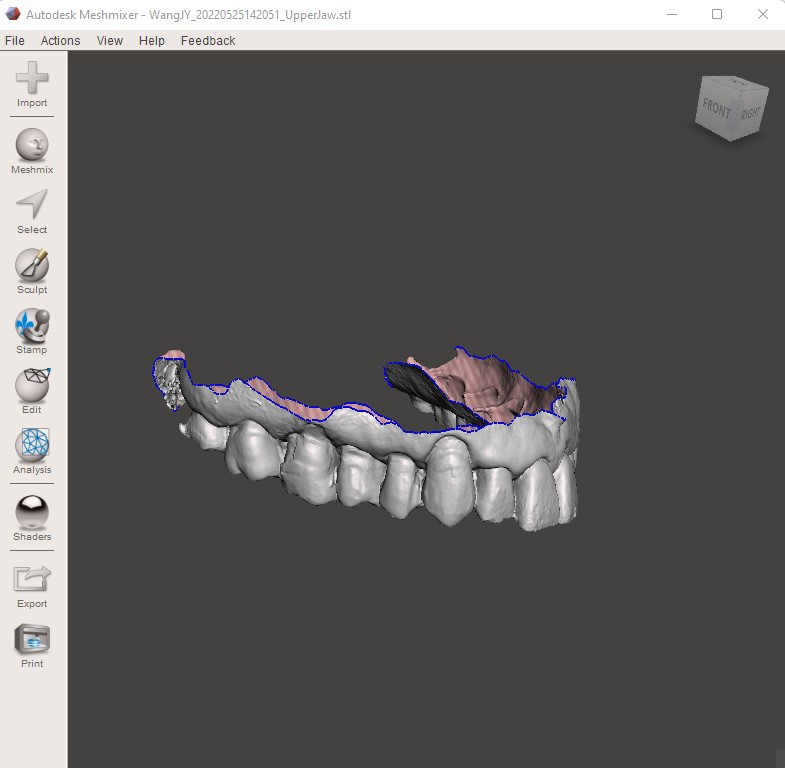
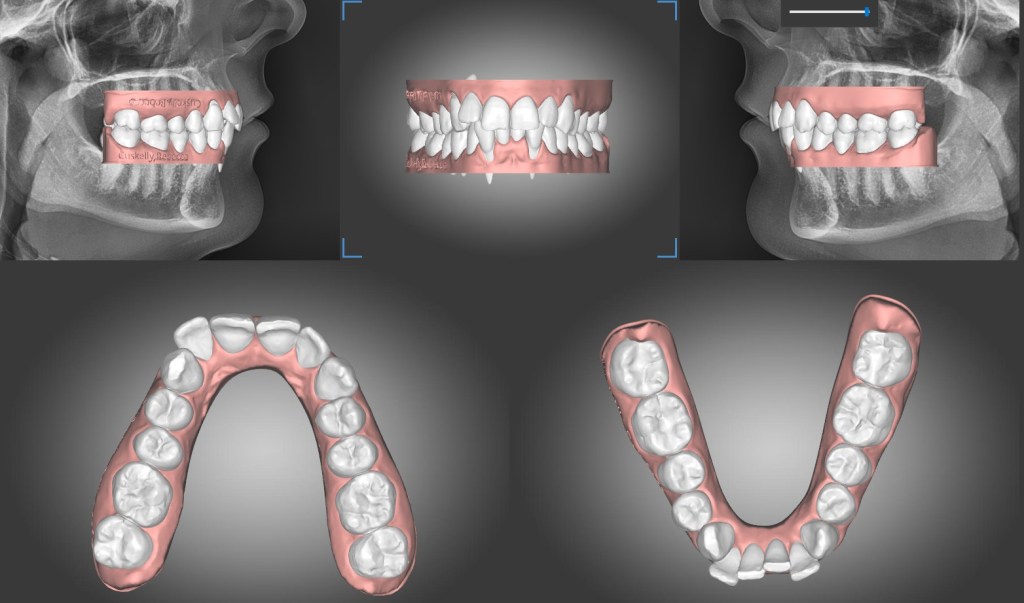

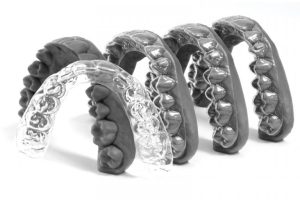
With experience and careful planning the clinician becomes more confident of delivering great clinical outcomes consistently. Having just the first two components, the digital scanner and the software, would already give the clinician the advantage of control over the case compared to using a third party provider.

 No Ordinary Dentistry
Leave a comment