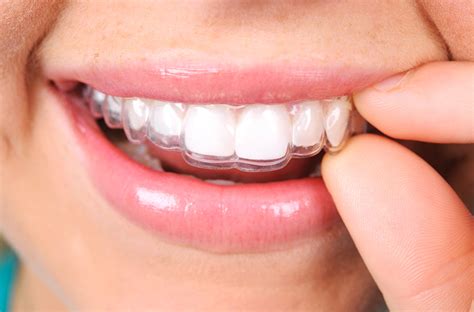
Aligners – Aftercare and Maintenance
WHAT IS NORMAL
New aligners usually settle quickly.
- Mild pressure or tightness when starting a new aligner
- Slight tenderness for the first 1–2 days
- Temporary increase in saliva or dry mouth
Contents
MAINTENANCE
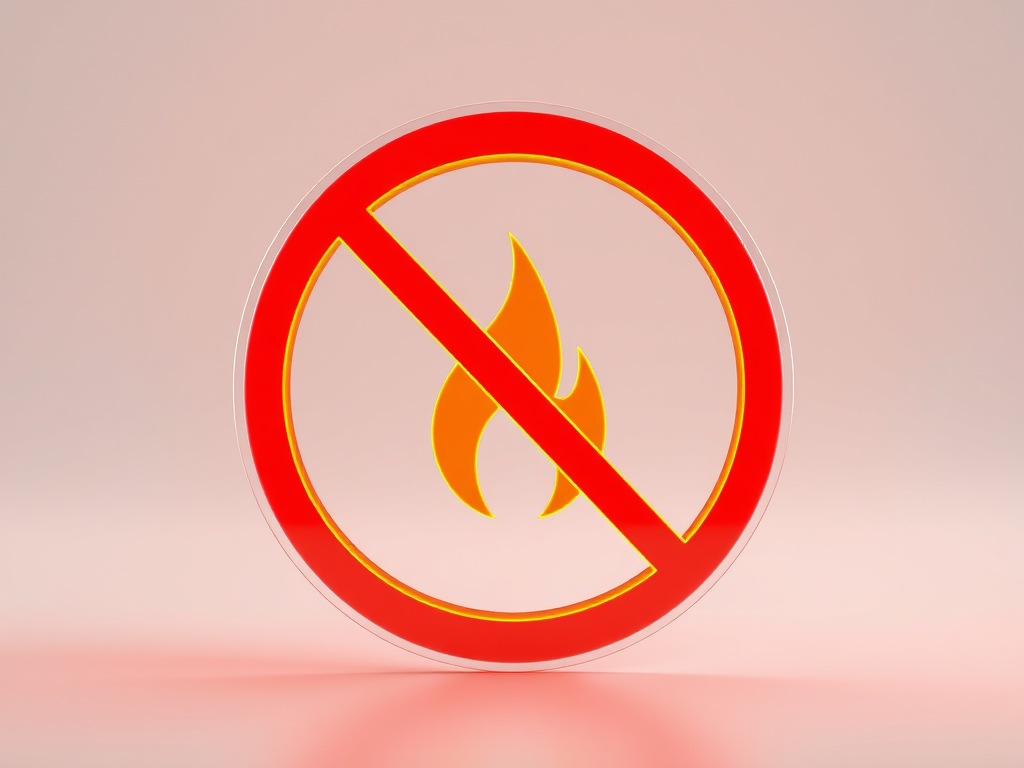
Aligners are formed or shaped under heat and will warp if exposed to heat
- DO NOT CLEAN ALIGNERS USING HOT WATER
- DO NOT EXPOSE ALIGNERS TO HEAT
e.g. Leave it in a hot car in summer time
BEST PRACTICE

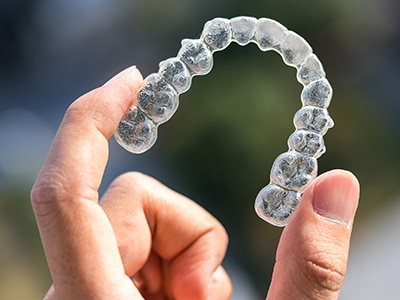
- Ultrasonic Cleaner – Daily use. Gentle mechanical cleaning without the need to brush by hand and risk premature breakage. No need to use chemical daily ( ie cleaning tablet ). Water is usually all you will need
- Denture Cleaning Tablets
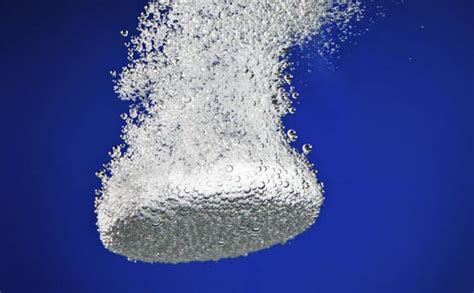
Use every other day, once or twice a week or as required to deodorize.
Place a tablet in the ultrasonic cleaner. - Toothbrush – when able
ALWAYS CARRY YOUR ALIGNER CASE

During the course of treatment the aligner are either
IN YOUR FACE OR IN THE CASE
or you will risk losing your aligner.

WRAPPED IN TISSUE WHEN EATING OUT and THE WAITER CLEANS THE TABLE
THE MOST COMMON WAY OF LOSING ALIGNERS

PETS CHEW UP ALIGNERS
IF YOU HAVE PETS DO NOT LEAVE YOUR ALIGNERS LAYING AROUND AND APPARENTLY THEY ARE QUICK TO GRAB IT.
SECOND MOST COMMON WAY OF LOSING ALIGNERS
Do’s & Don’ts
Do’s
Wear your aligners as prescribed
- Wear your aligners for the recommended number of hours each day (usually 20–22 hours).
- Remove them only for eating, drinking (except water), and cleaning.
- Consistent wear is essential for predictable tooth movement.
Clean your aligners daily
- Rinse aligners with cold water only every time you remove them.
- Gently brush them using a soft toothbrush when convenient.
- Use ultrasonic cleaners ideally.
Maintain good oral hygiene
- Brush and floss your teeth after every meal before reinserting aligners..
- This reduces the risk of decay, gum irritation, and staining.
Store aligners safely
- Always place aligners in their protective case when not in use.
- This prevents loss, damage, and contamination.
- During the course of treatment the protective case should always be carried with you.
The aligners should only ever be in you FACE or in the CASE
Follow your change schedule
If an aligner feels tight at first, this is usually normal and should settle within a day or two.
Change to the next aligner only as instructed. This is normally two weeks but there will be exceptions ( * see below in section on Exception Handling )
Don’ts
Do not eat or drink with aligners in
- Remove aligners before eating.
- Do not drink hot drinks, soft drinks, or alcohol while wearing aligners.
- Heat and sugar can damage aligners and teeth.
Do not use hot water
- Hot water can warp or distort aligners, making them ineffective.
Do not skip wear time
- Inconsistent wear can delay treatment or cause teeth to move unpredictably.
- Avoid “catching up” by wearing aligners longer without advice.
Do not use toothpaste or harsh cleaners
- Toothpaste is abrasive and can make aligners cloudy.
- Avoid bleach, alcohol, or household cleaners.
Do not force aligners to fit
- If an aligner does not seat properly or causes sharp pain, stop and contact the practice.
Timing and self monitoring
When do you progress to a new aligner?
- Two weeks (14 days )
- Aligners sequentially replaced on an average of every two weeks (14 days)
- This period of two weeks may be reduced or increased depending on the responsiveness of the teeth. If the teeth moves quickly it is permitted to progress to the next aligner earlier.
Conversely if one or more of the teeth have not conformed to or aligned with the aligner you should stay on the same aligner for longer while actively helping the recalcitrant tooth/teeth to move into position using a CHEWIE (* Not tracking)
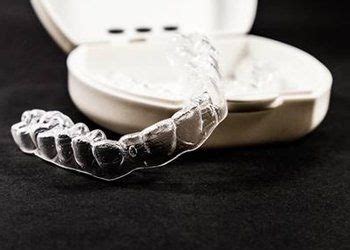
- After the first set or two of aligners has been monitored and the clinician is satisfied that you are able to place, removed and care for the appliance, you will be issued multiple sets of aligners so you will not need to visit the practice every two weeks.
EXCEPTION HANDLING
When do you not progress to a next aligner ?
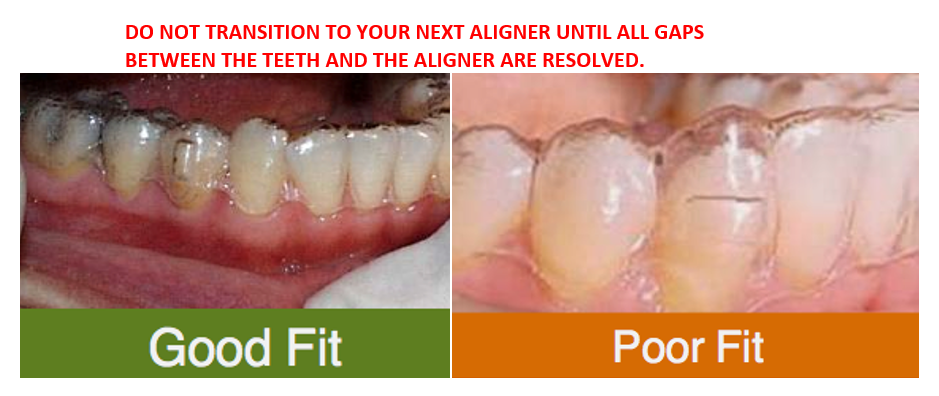
During the course of treatment there maybe at some stage teeth that do not follow the aligner. You will need to be able to identify when this occurs and the action you should follow.
- Do not progress to the next aligner.
- Do use the Chewies in these areas and extend the time in the current aligners T
- After a week of extended use if the lagging tooth/teeth have not tracked make an appointment for assessment by your dentist
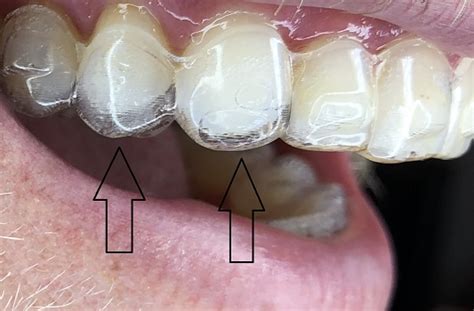
CHEWIES
Silicone bite pads used to actively help move the tooth into the aligners (EXTRUDE).
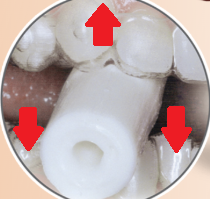
To extrude the tooth the active action of the chewie is when you RELEASE the bite.
SO DON’T JUST BITE DOWN ON THE CHEWIE IT WORKS WHEN YOU OPEN !!

- Do not use Chewies within the first two days after you switch to a new aligner. Allow the teeth to passively move in the first 2 days. If there are spaces in the aligner trays above the top edge of any teeth use the Chewie to repeatedly force the space close and this should move the teeth into place.
- If after 3 weeks or more of attempting to seat the tooth/teeth without success call into see the dentist and do not progress to the next aligner tray.

 No Ordinary Dentistry
You must be logged in to post a comment.