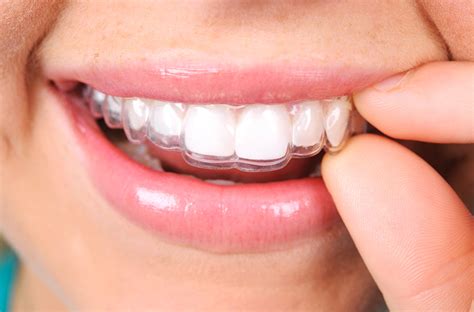
Bruxism — Night Grinding & Jaw Clenching
Why it happens, what it can do, and how we help
What is bruxism?
Bruxism refers to grinding or clenching your teeth, often during sleep or periods of stress. It is extremely common — many people do it without knowing because it happens unconsciously at night.
Over time, bruxism can cause:
- Tooth wear (flattened biting surfaces)
- Tooth sensitivity
- Cracks, fractures or restoration failure
- Jaw pain or headaches
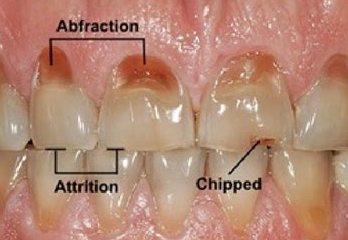
- Abfraction lesions (cervical tooth breakdown)
These effects are cumulative and irreversible without protective measures.
Contents
What causes bruxism?
Bruxism has many contributing factors, including:
- Stress and anxiety
- Sleep disturbances
- Misaligned bite or muscle imbalance
- Habitual daytime clenching
Everyone bruxes to some degree — it’s how your body responds to load and stress. Severity varies widely.
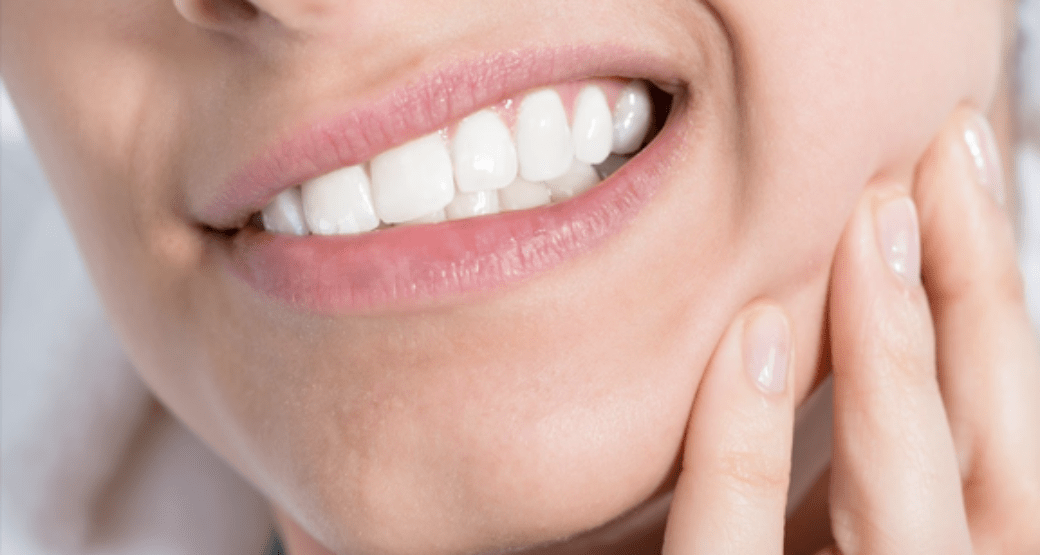
Signs and Symptoms
Common signs you may be grinding or clenching:
- Tooth sensitivity to hot or cold
- Flattened or worn tooth surfaces
- Sore jaw muscles in the morning
- Headaches on waking
- Partner reports grinding sounds at night
Early prevention helps minimize long-term damage.
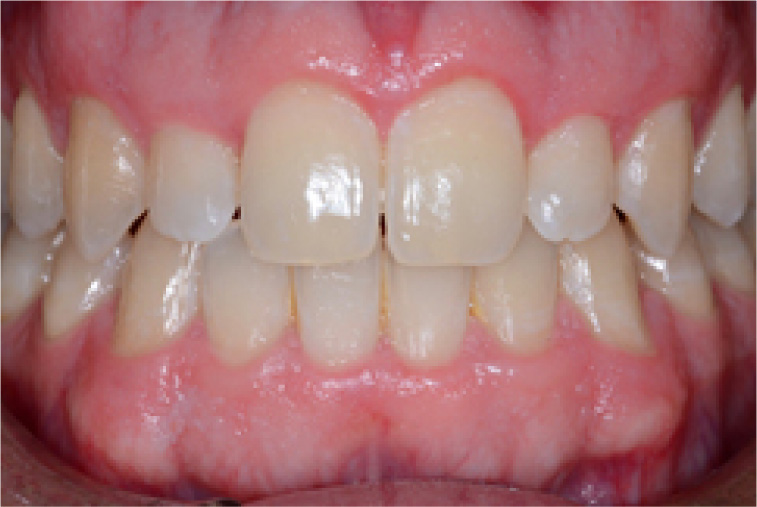
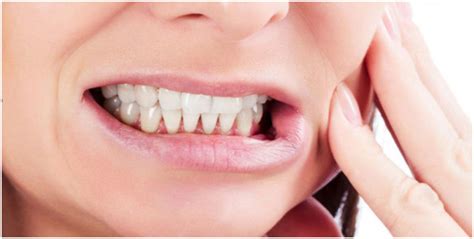
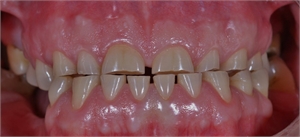
Dental damage associated with bruxism
Abfraction lesions
Abfraction refers to wedge-shaped defects near the gumline caused by biomechanical stress from clenching/grinding. These areas can become sensitive and may trap food debris, increasing decay risk. noordinarydentistry.com
Protective management (splints, occlusal adjustment) can slow progression and reduce discomfort.


Management options
Bruxism cannot be “cured” in the classic sense, but damage and symptoms can be managed effectively.
Option 1.
Oral appliance therapy (occlusal splints / night guards)
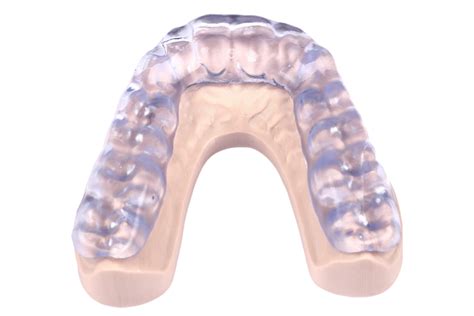
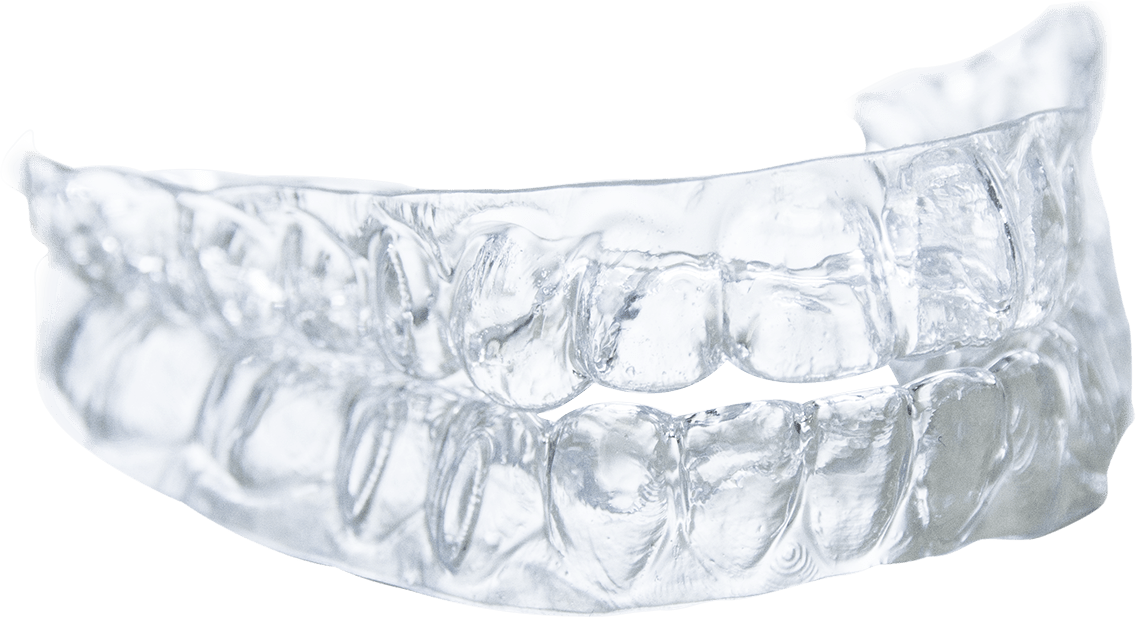
A custom-made splint (sometimes called a night guard or occlusal guard) is often the first line of defence. It:
- Protects teeth from direct contact
- Reduces wear and attrition
- Can relieve muscle strain
Occlusal splints are designed by your dentist to fit your bite and are usually worn at night. amrdental.com.au
Types include:
- Hard acrylic splints — durable, often used for moderate to severe bruxism
- Soft thermoplastic splints — more comfortable and may improve compliance
Soft splints fitted properly often have high retention and patient comfort. noordinarydentistry.com
Care tip:
Rinse your splint with lukewarm water and brush it gently. Do not use hot water (it can distort the appliance).
Option 2.
Bite guidance and occlusal harmony
In addition to splints, some patients benefit from strategies to improve the functional movement of the jaw. Two key concepts are:
Anterior guidance
This is the influence of the front teeth in guiding jaw movements. In a well-aligned bite, the front teeth help disengage the back teeth during sideways or forward movement, reducing harmful lateral forces on the back teeth. Wikipedia
Canine disclusion
Canine disclusion means the canine teeth guide the jaw sideways so that posterior teeth do not sustain lateral pressure. Proper canine guidance can reduce parafunctional force on the back teeth, potentially slowing wear and reducing muscle strain. Wikipedia
These are occlusal design concepts that may be considered in conjunction with splints or restorative care, based on clinical assessment. They are not always needed for every patient, but in selected cases can help improve function and comfort.
When to seek help
Make an appointment if you have:
- Persistent tooth sensitivity
- Evidence of wear or fracture
- Frequent jaw soreness or morning headaches
- Temporomandibular joint pain
Early intervention prevents more extensive dental work later.
Summary — What you can do now
Do:
- Wear your custom night splint as advised
- Follow dental hygiene and follow-up instructions
- Ask about bite guidance or canine disclusion if forces are high
Avoid:
Clenching during the day — take conscious breaks
Chewy or hard foods that put additional force on teeth

 No Ordinary Dentistry
You must be logged in to post a comment.